Dominic DiTaranto Chord Book
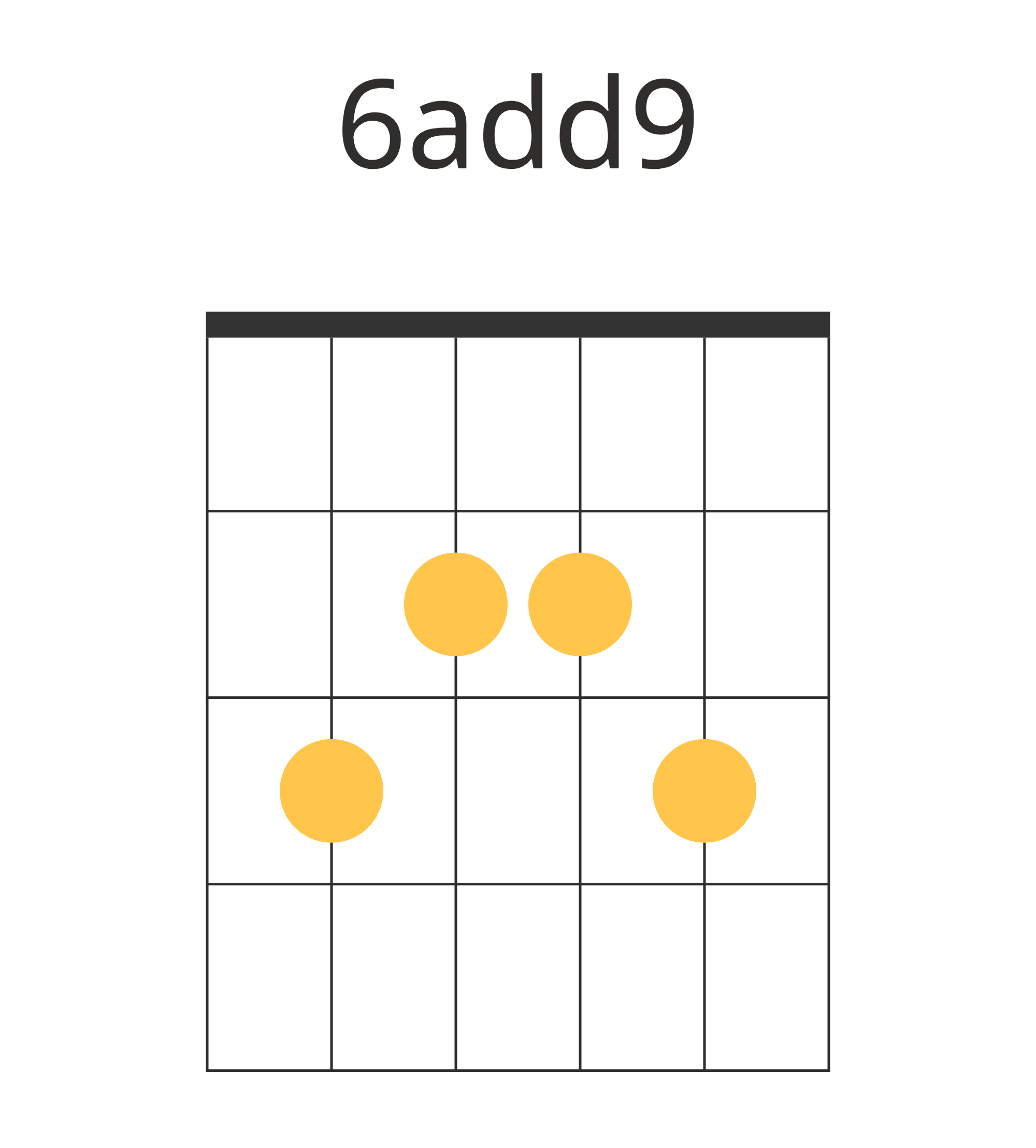
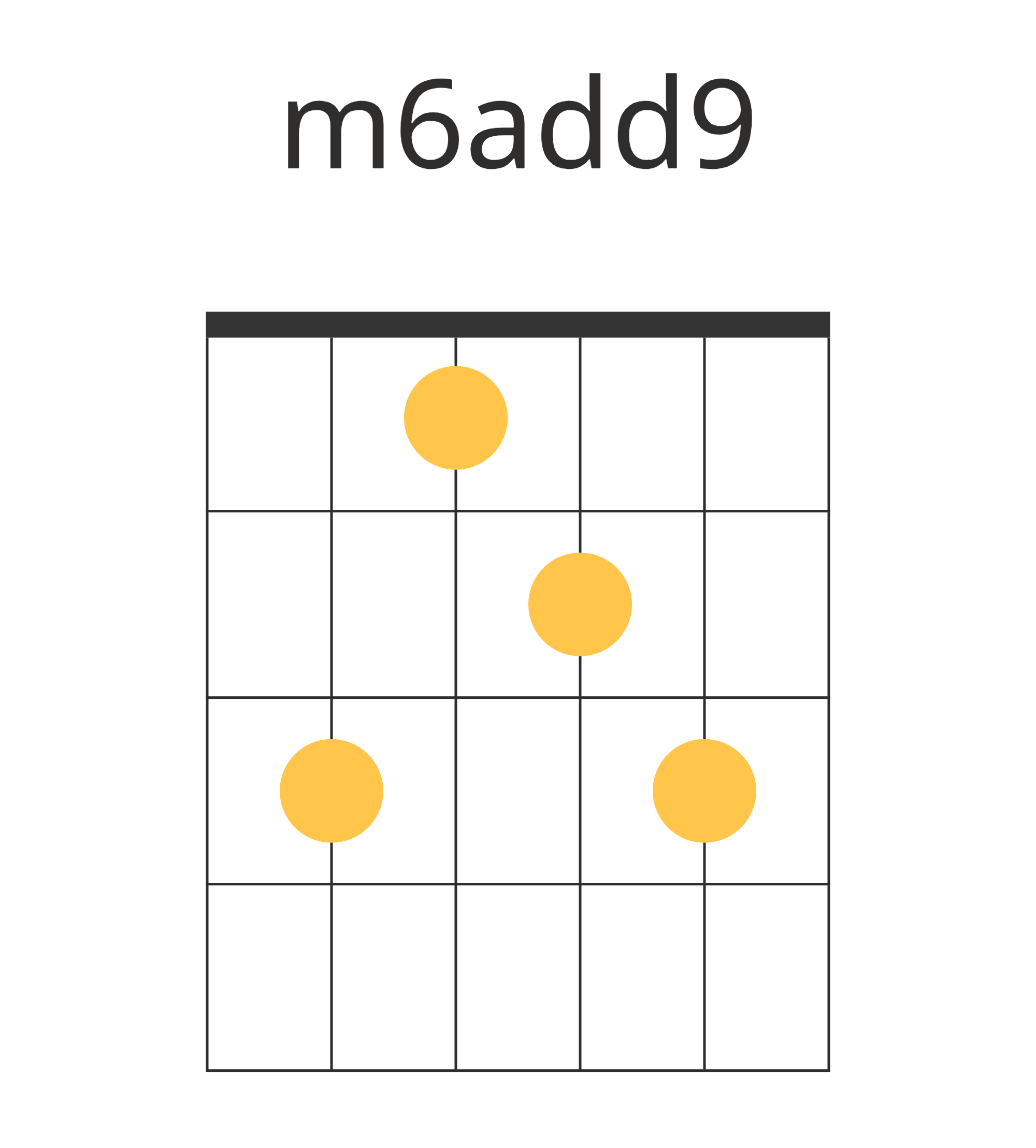
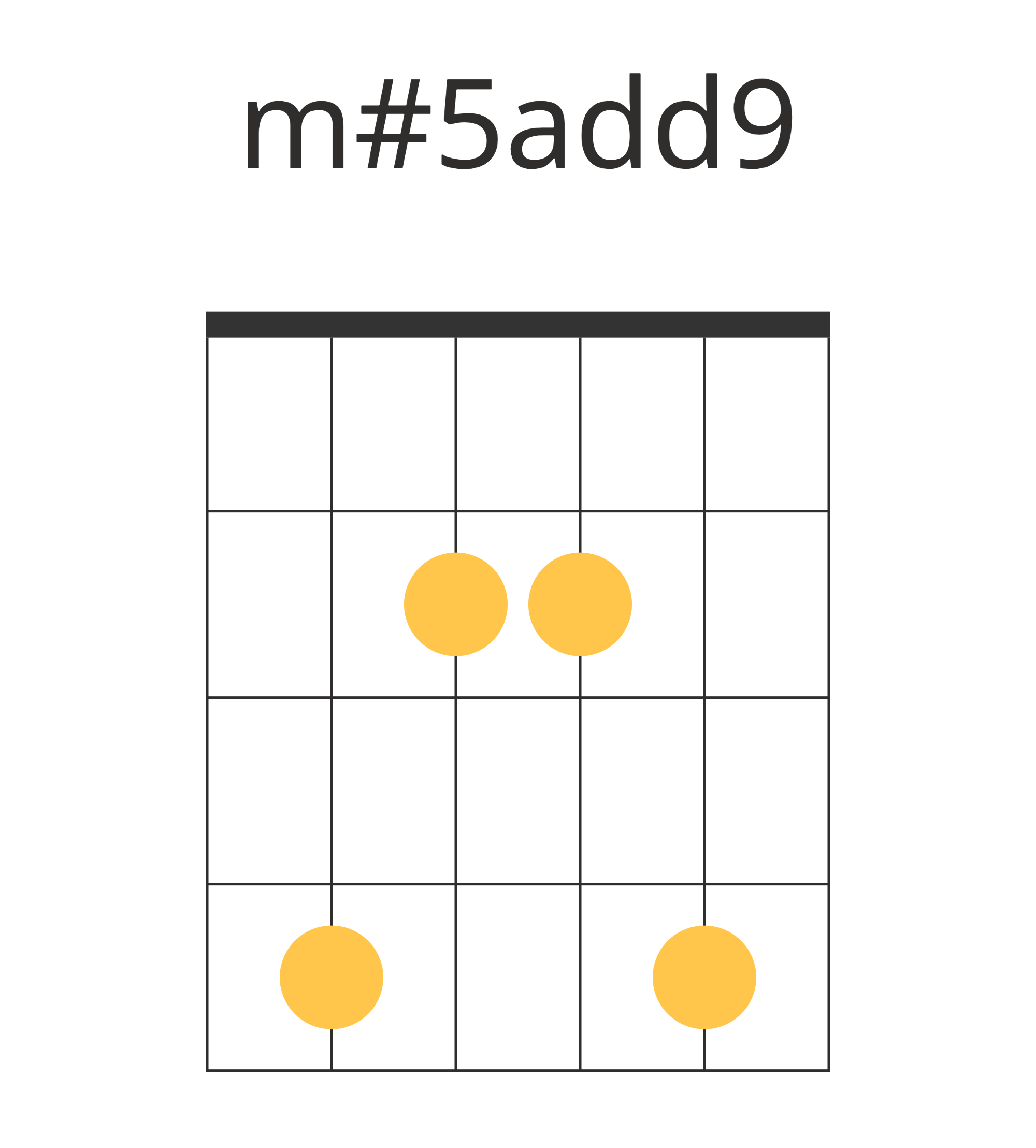
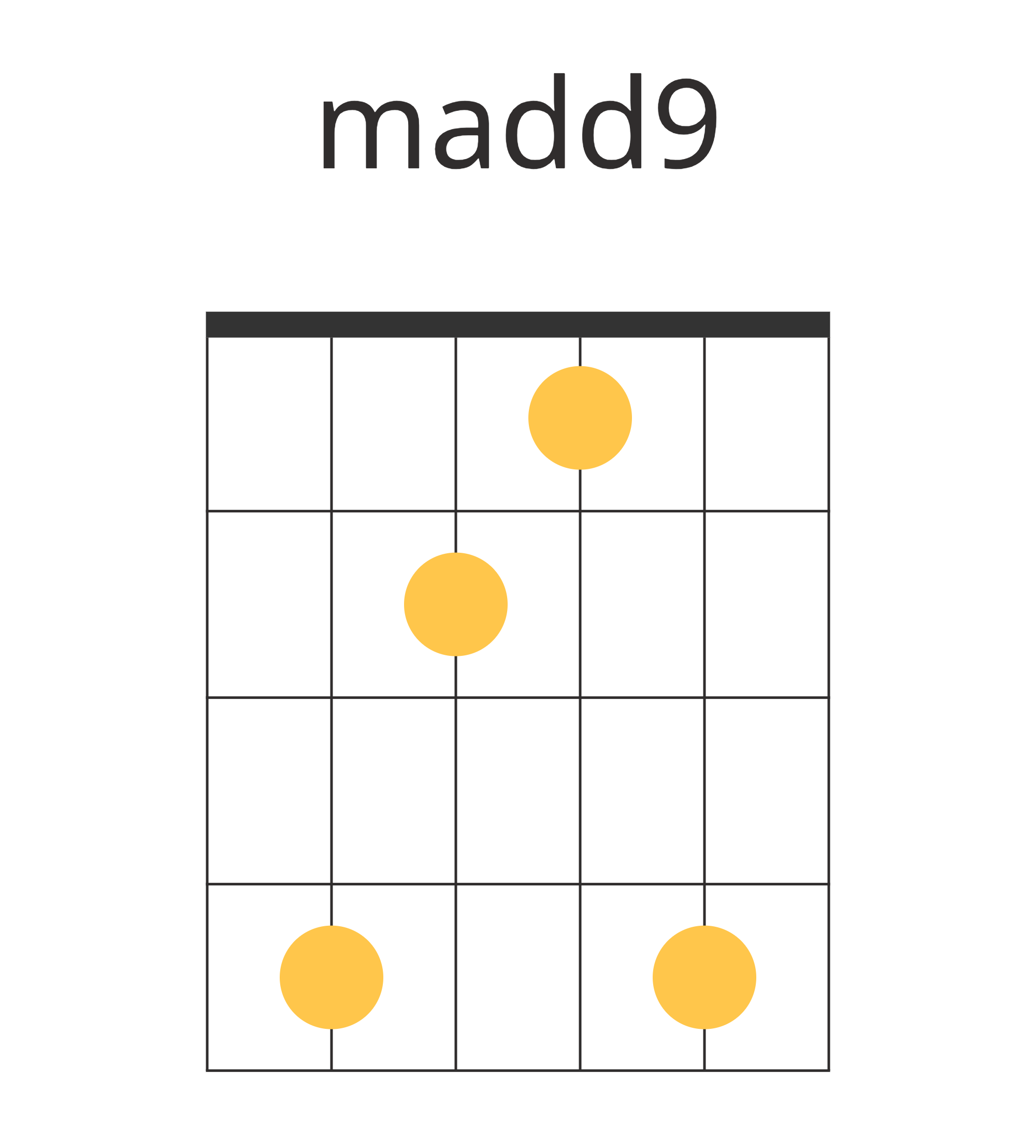
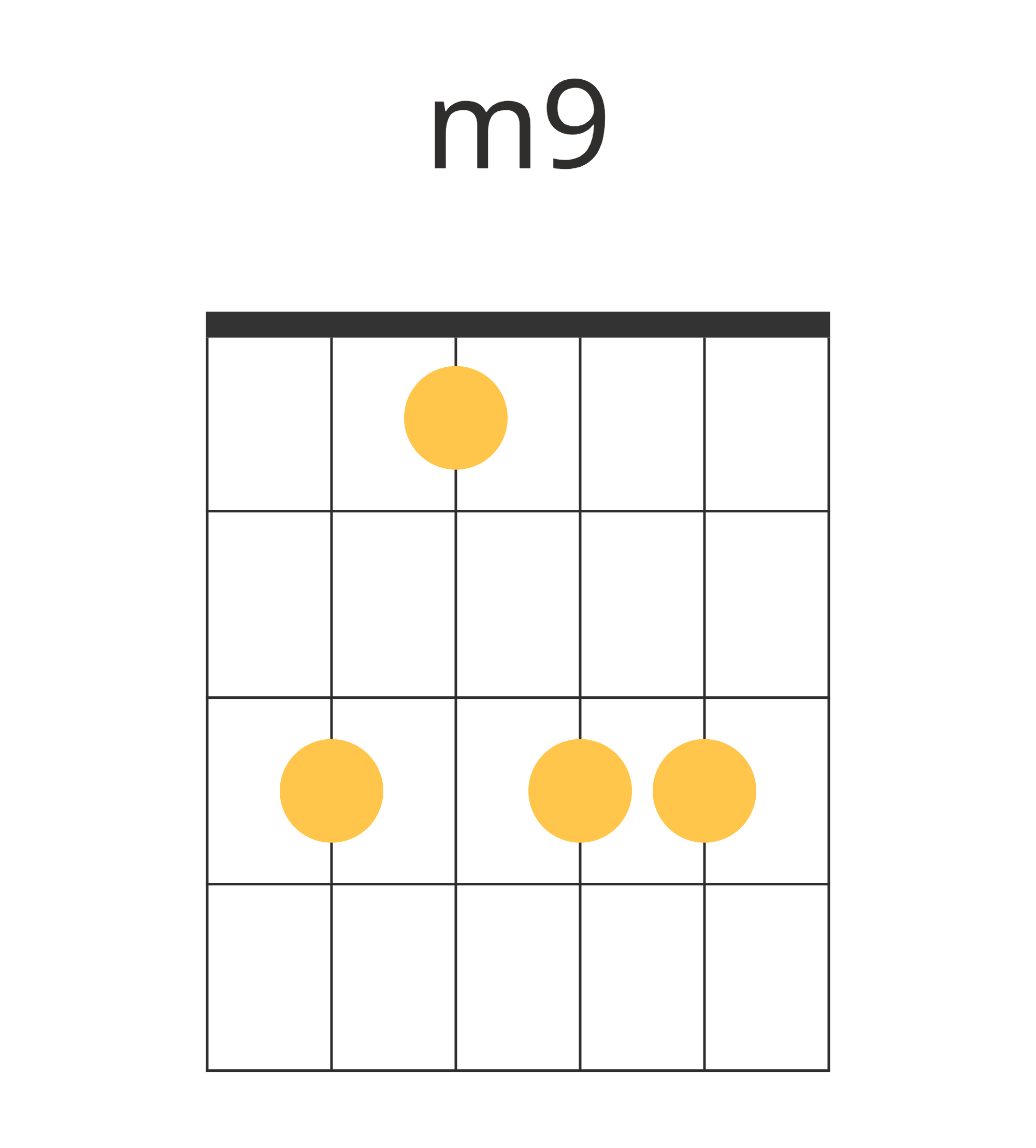
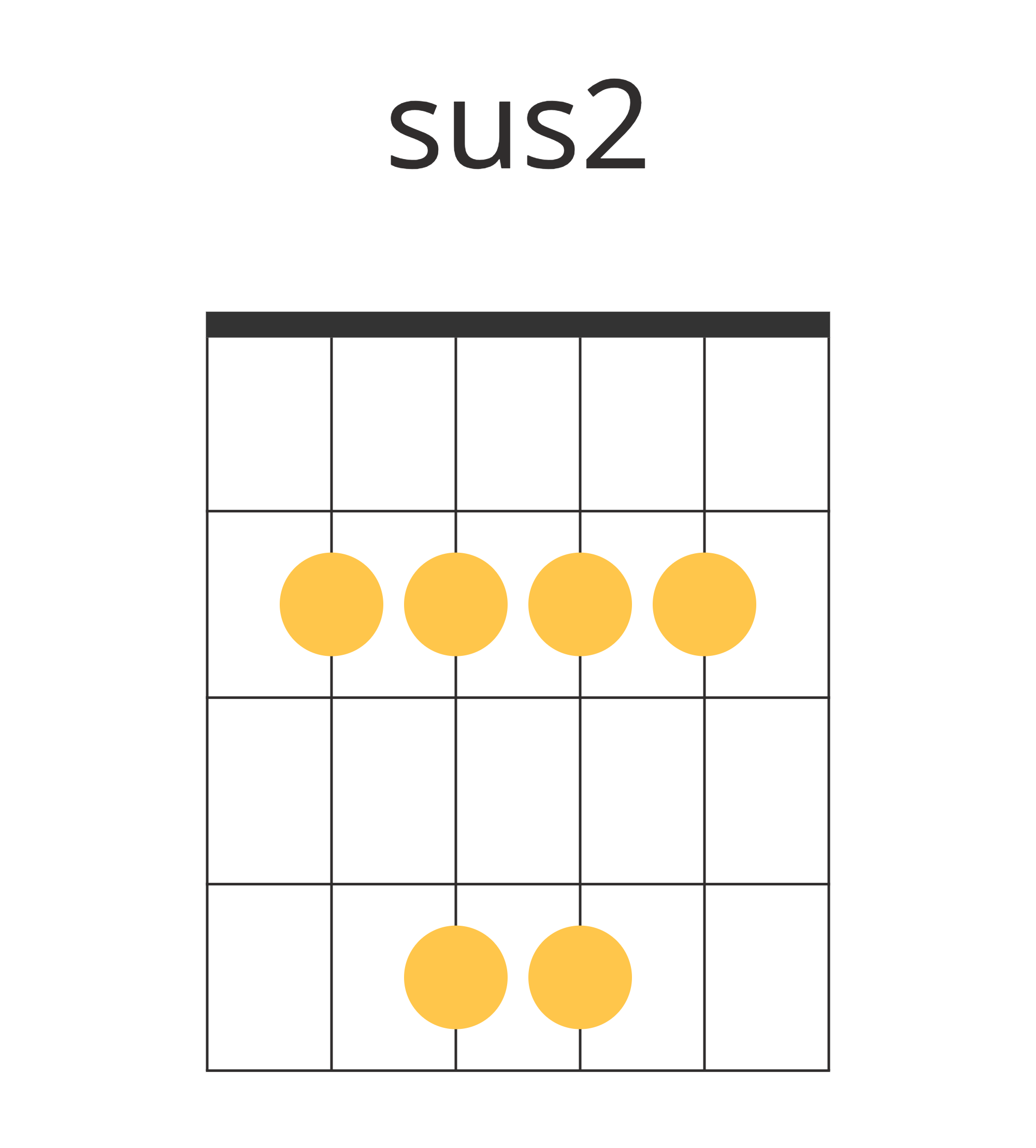
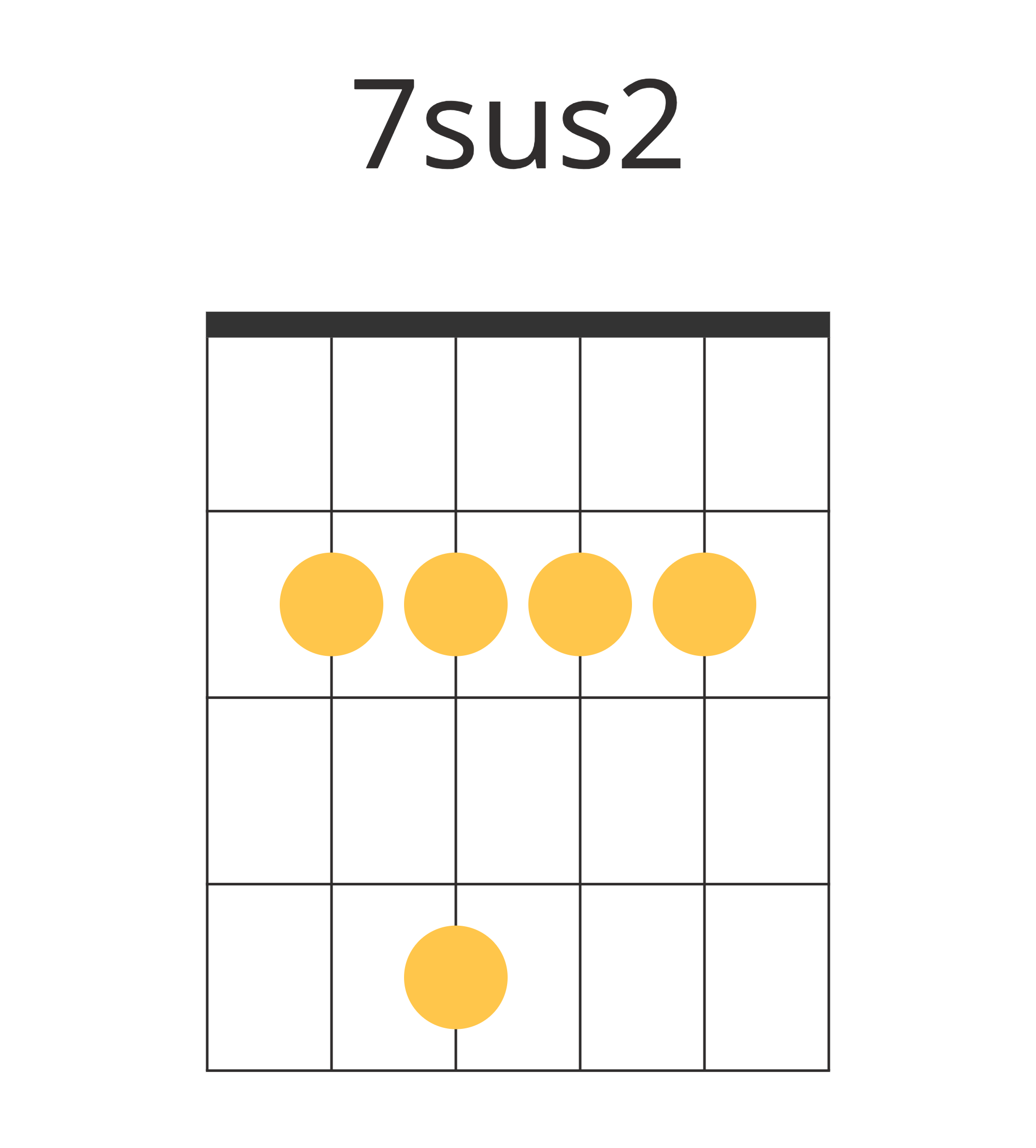
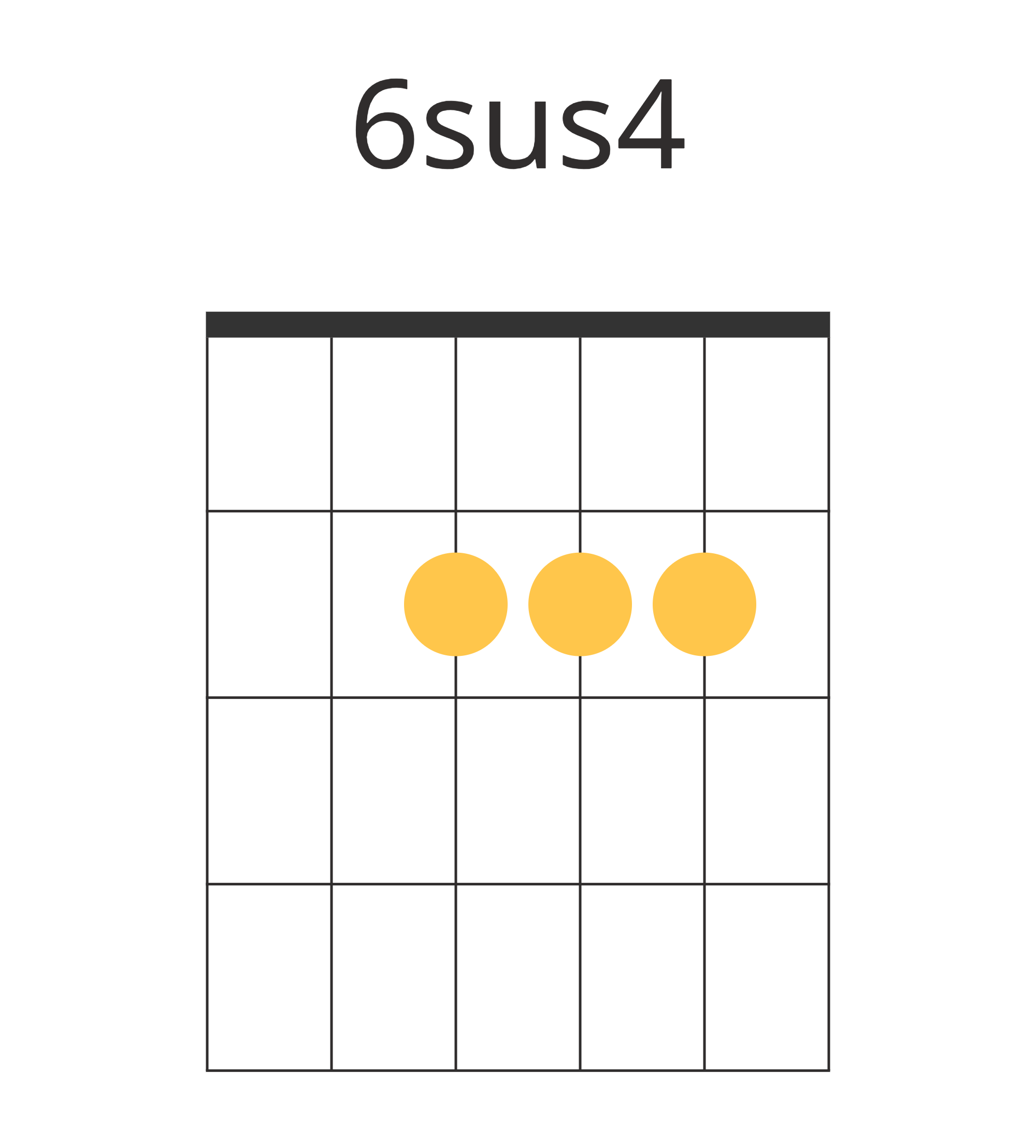
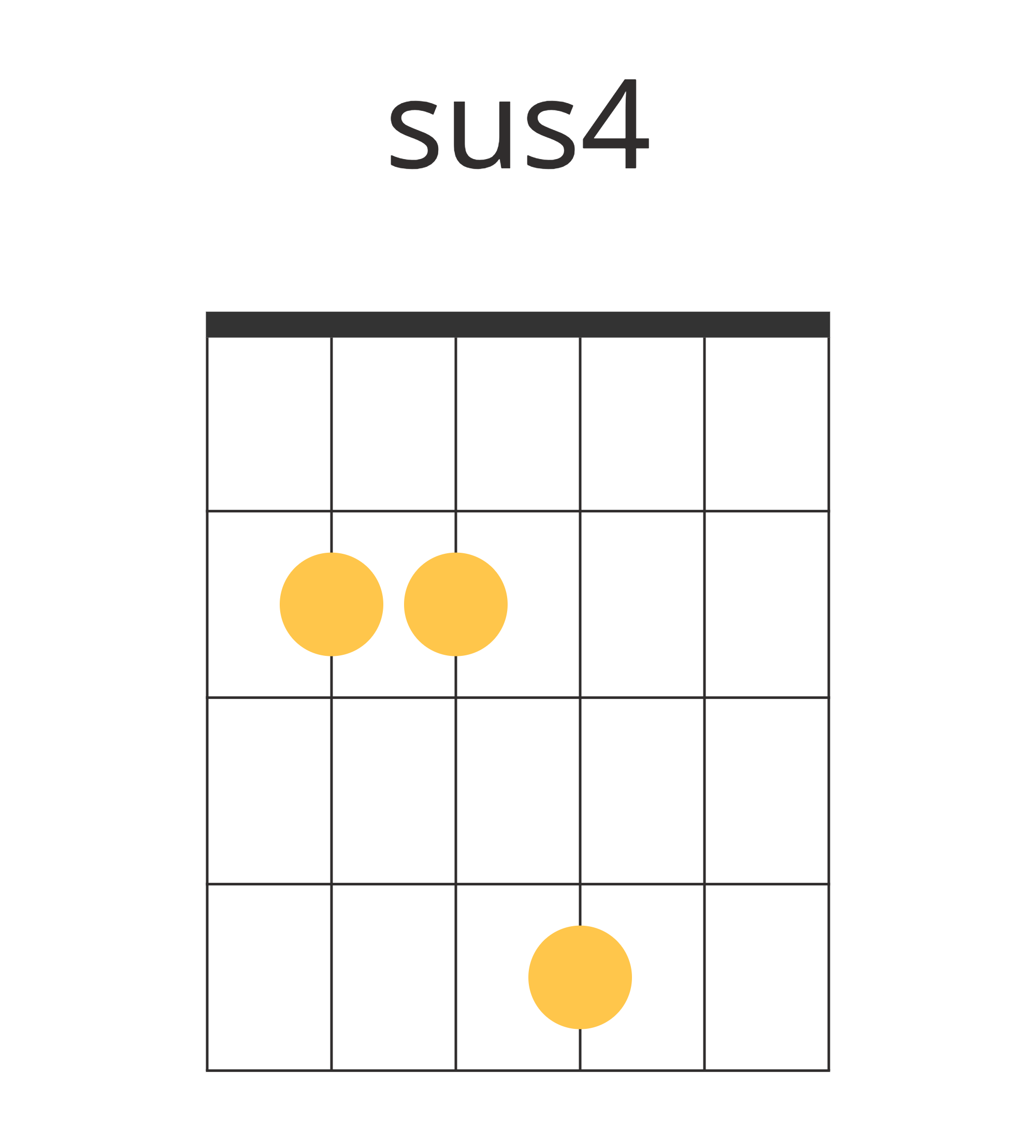
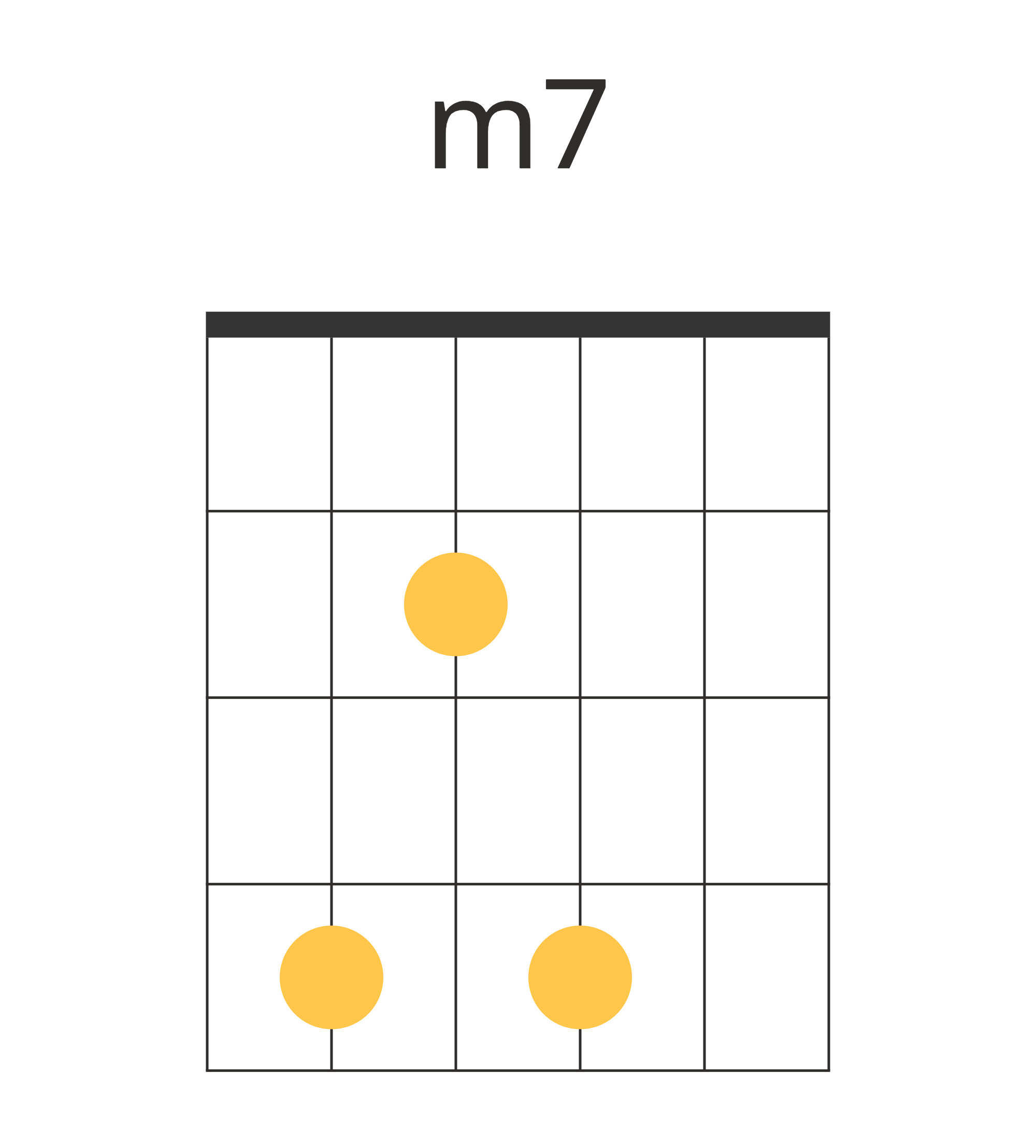
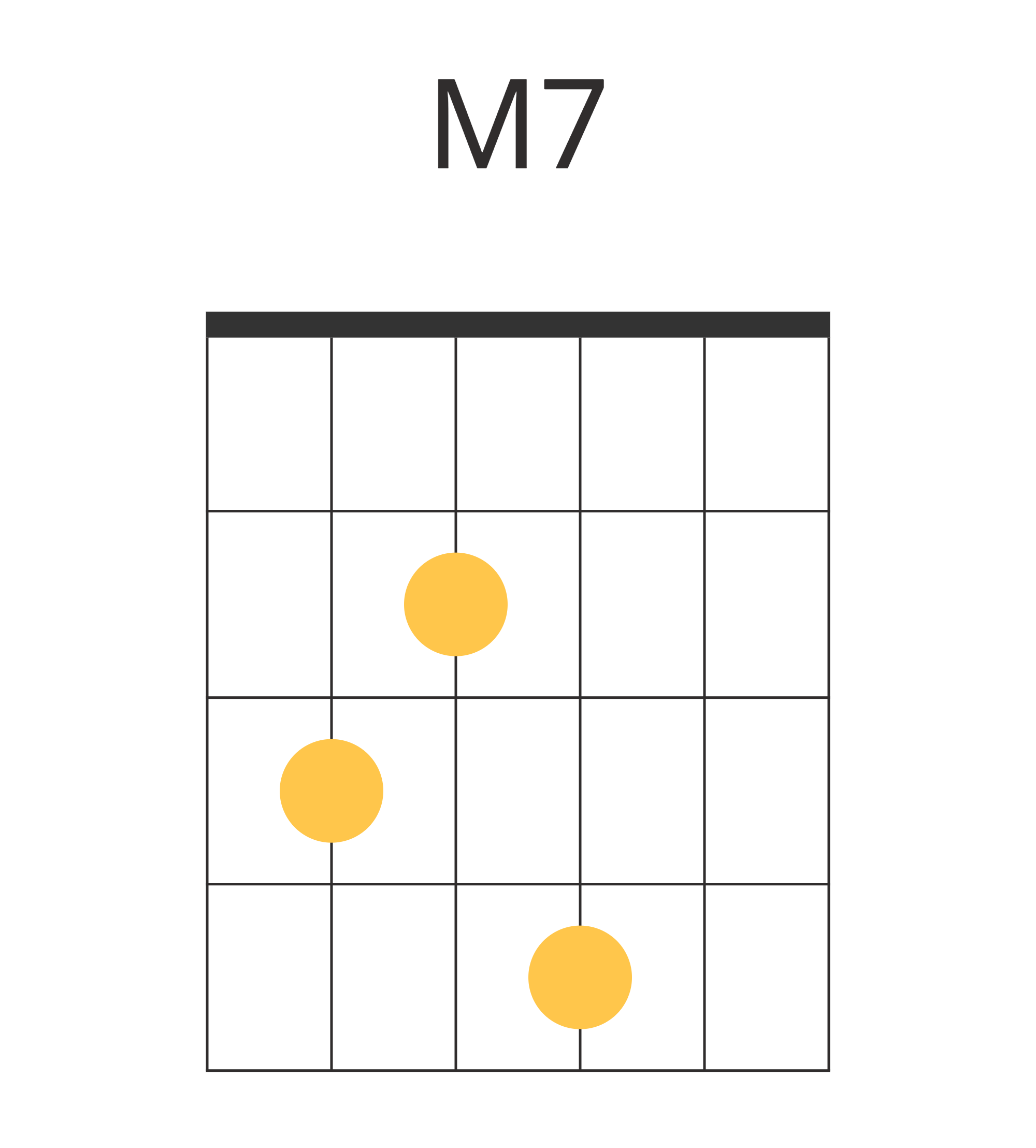
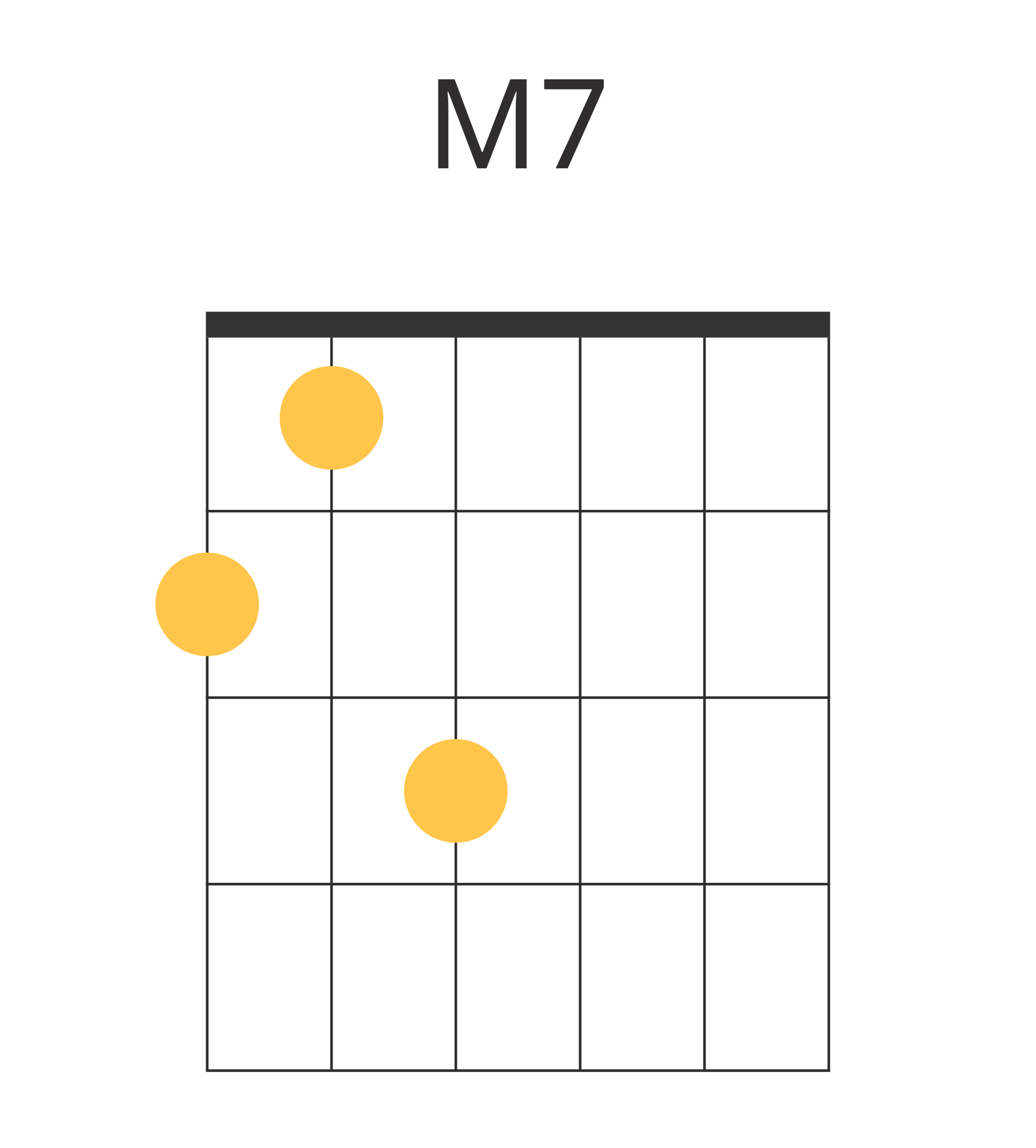
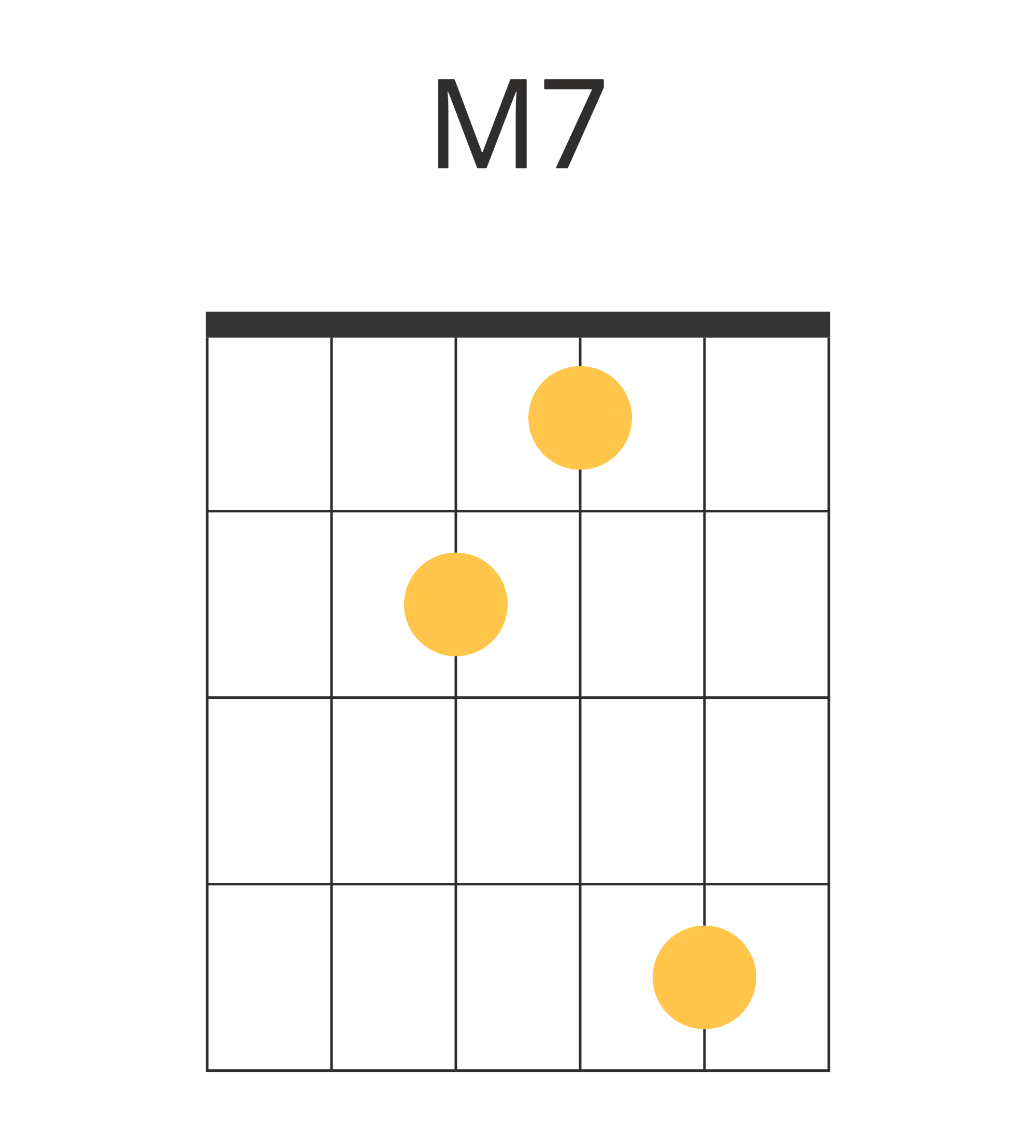
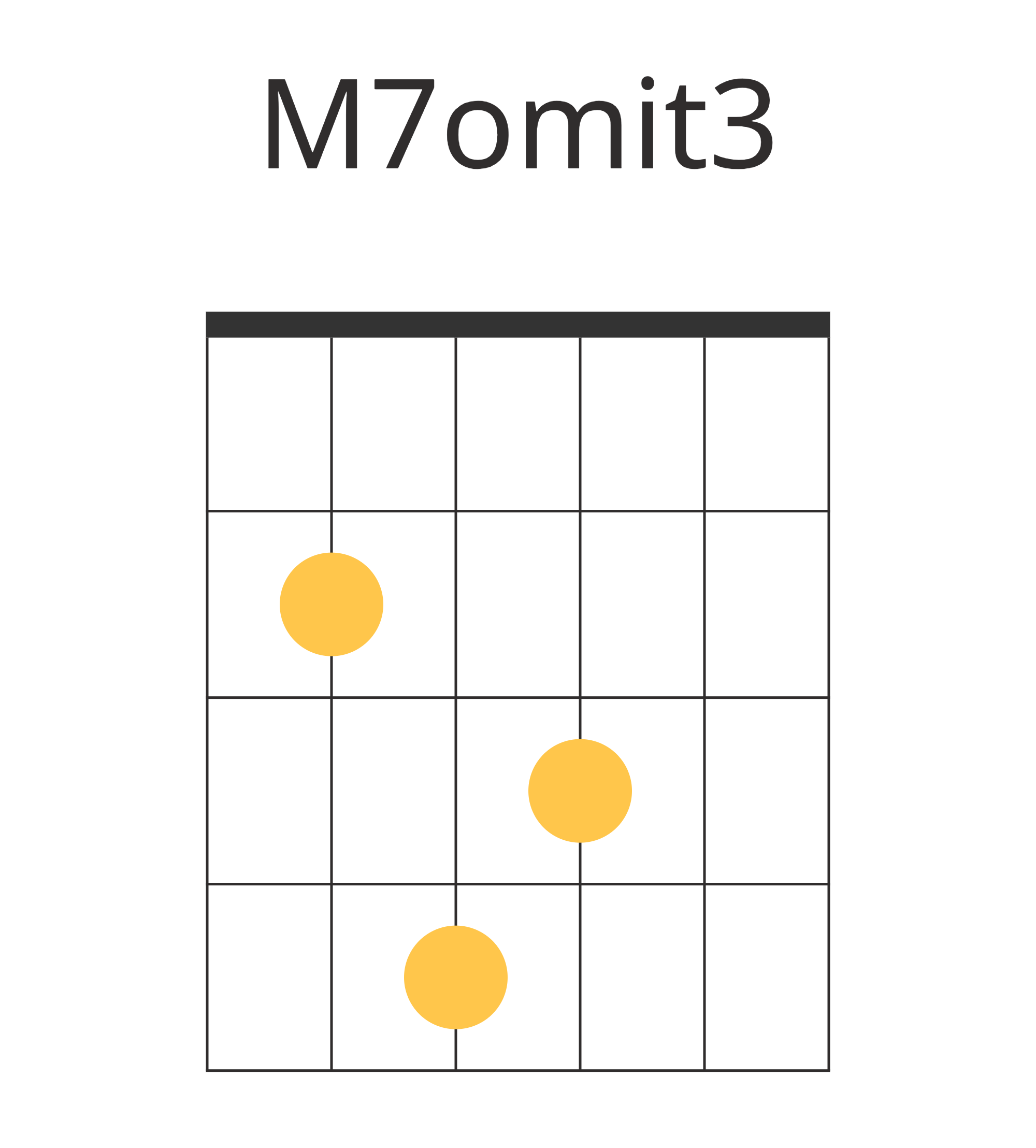
Provided below are the diagrams of the chords I use the most frequently. I used this site to create the diagrams.
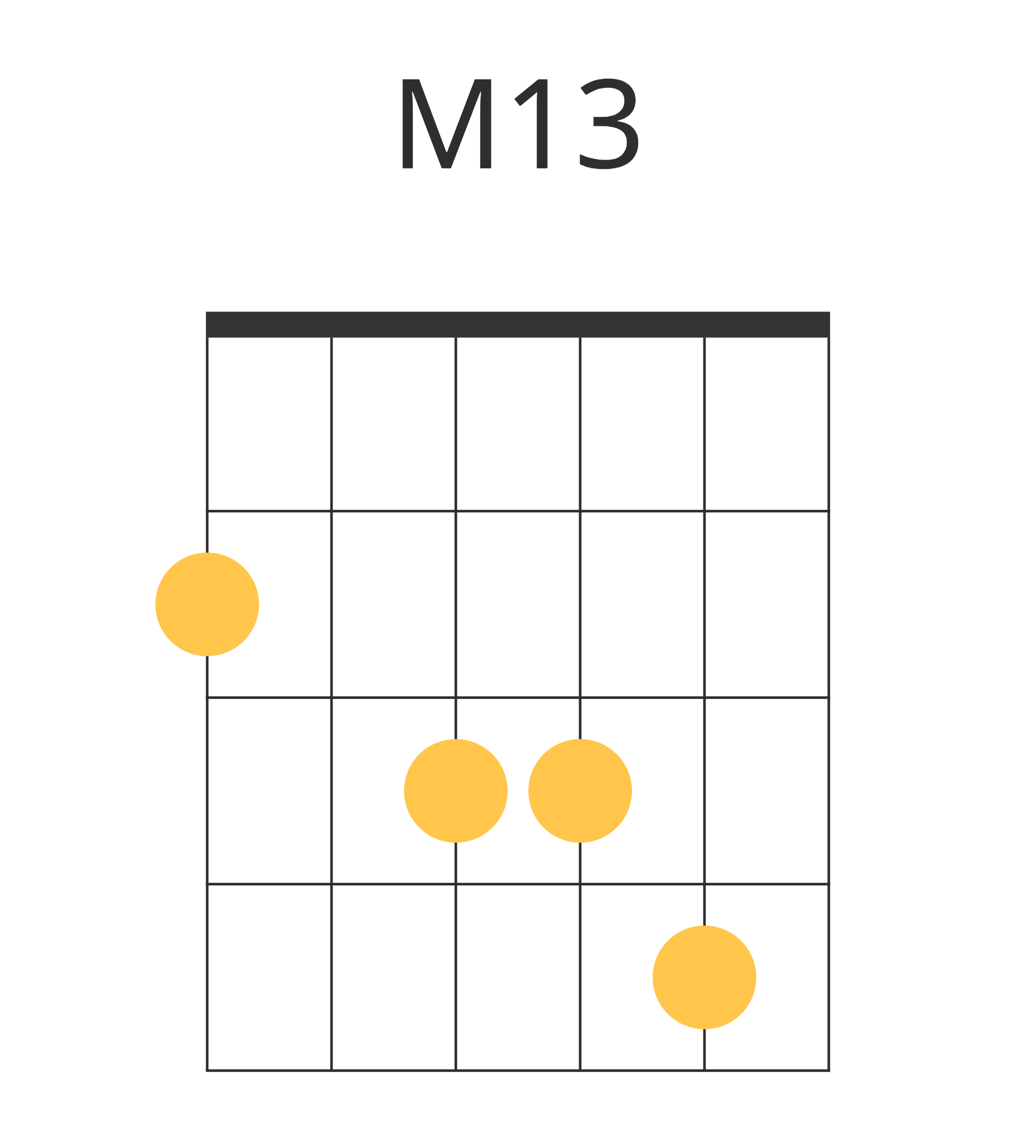
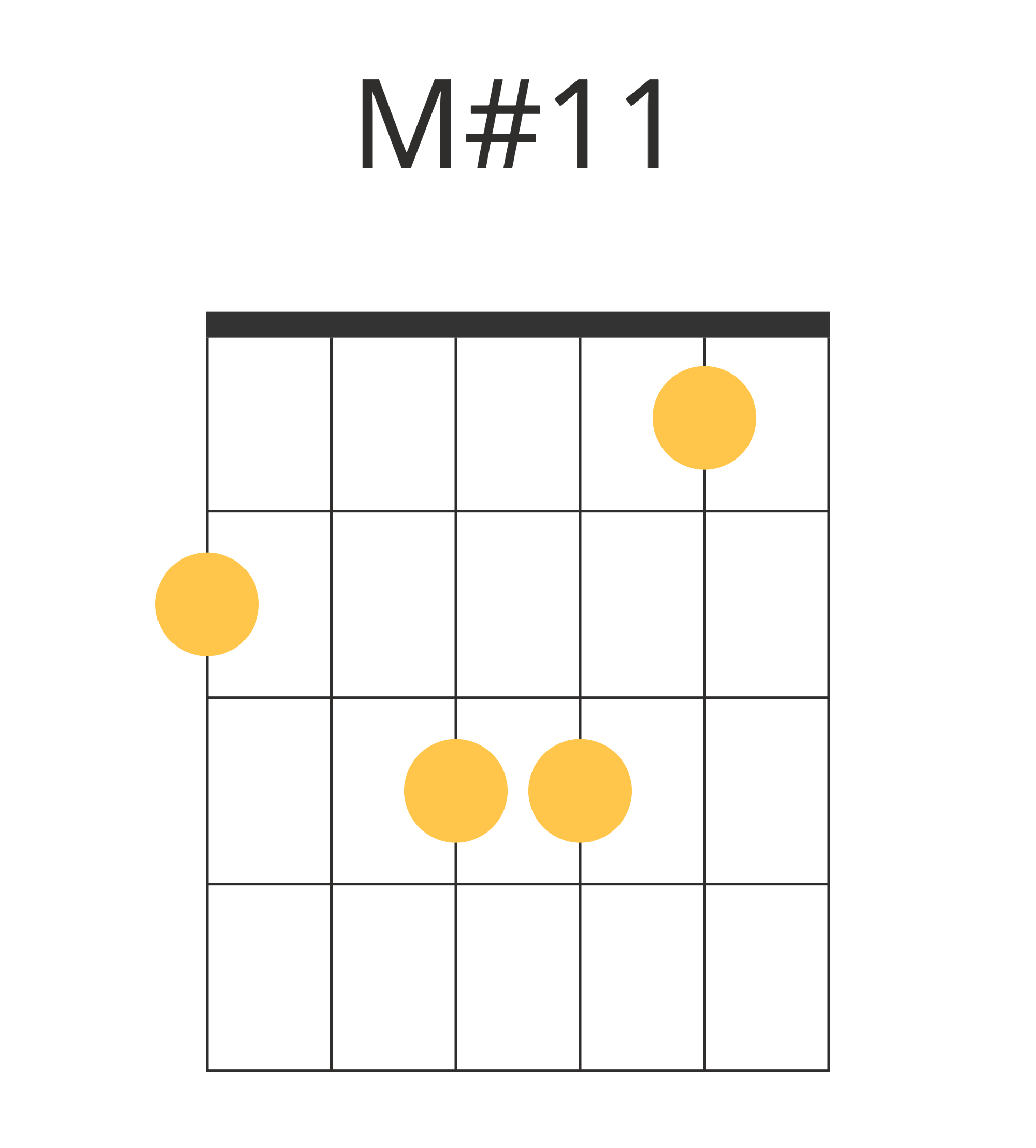
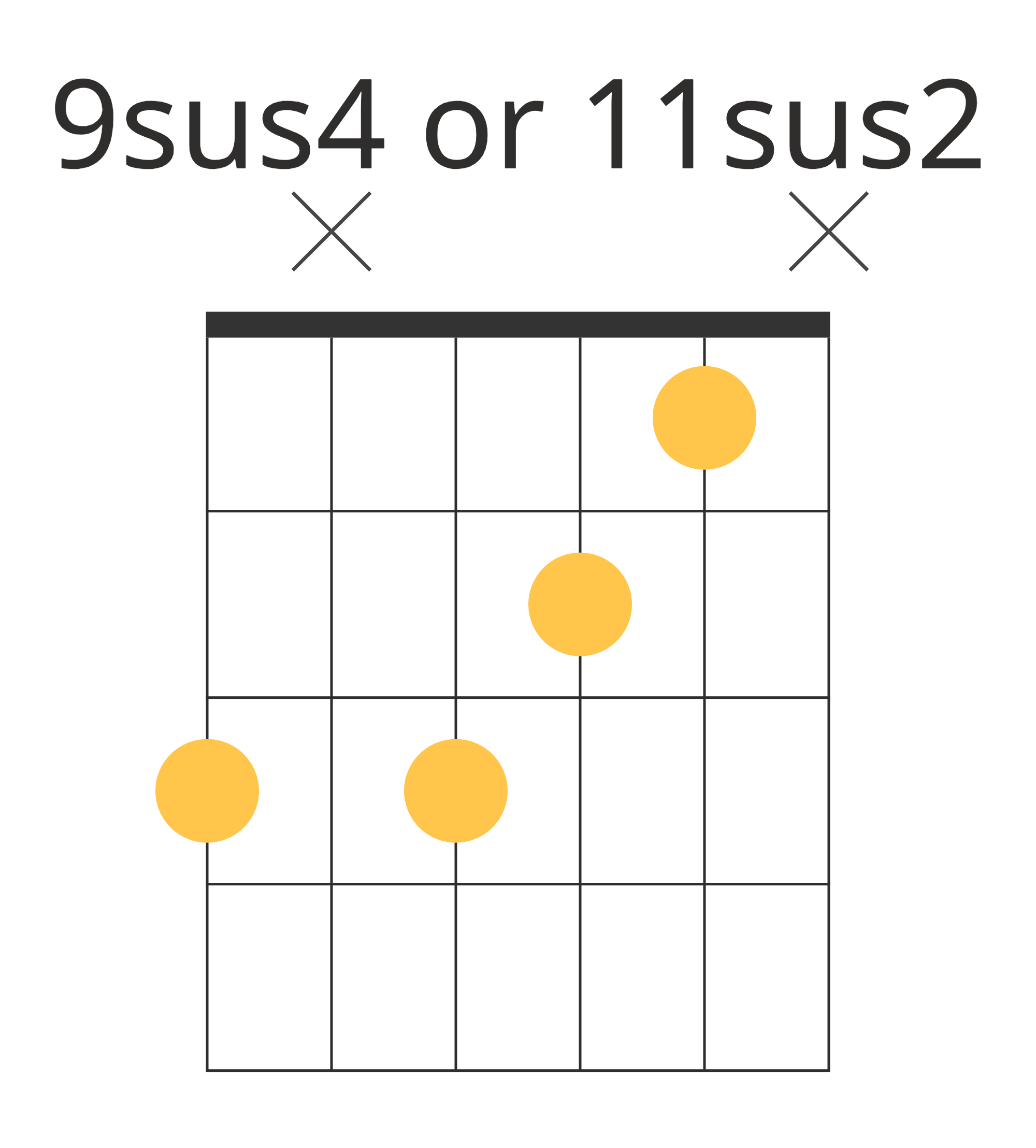
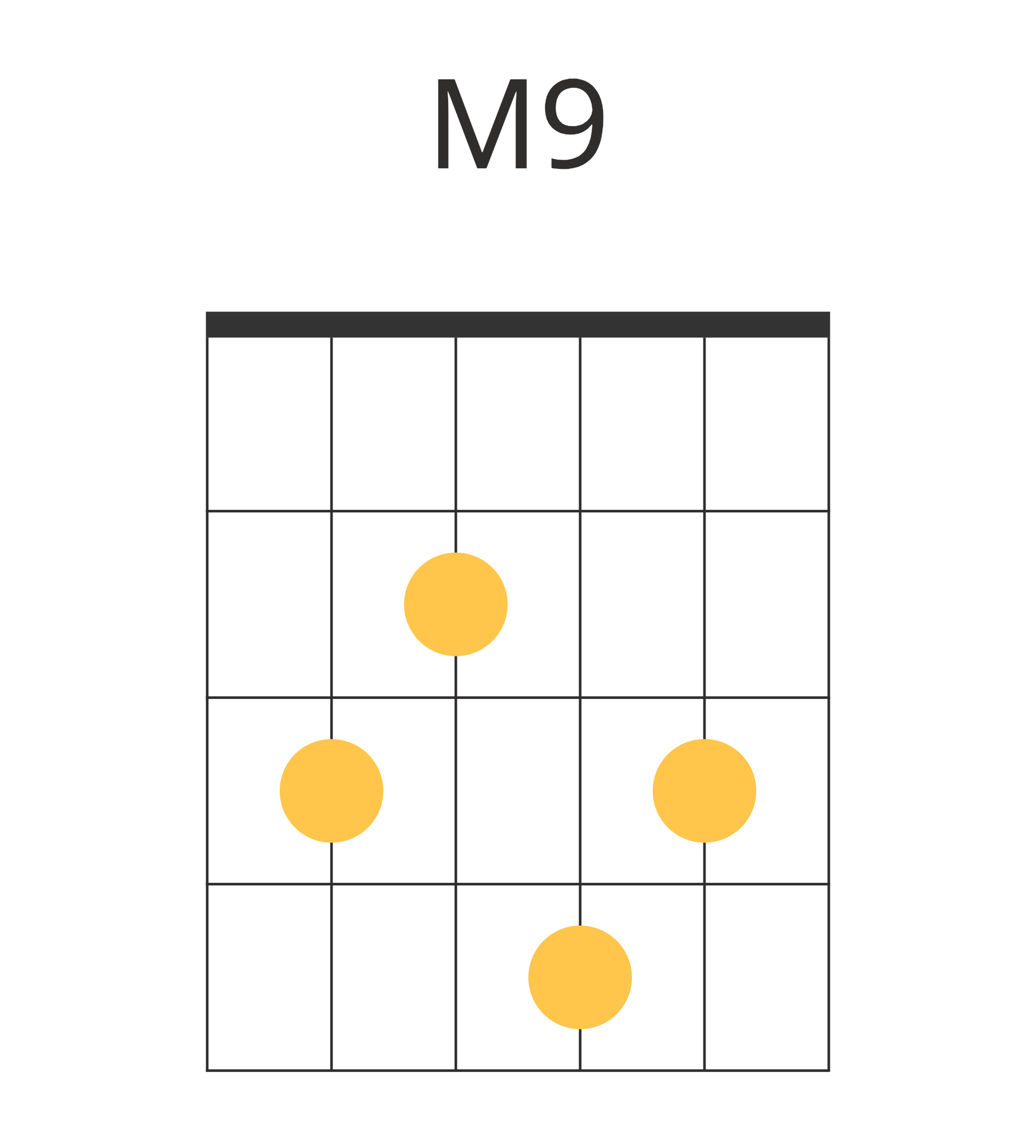
How To Use:- All chords are note agnostic unless noted otherwise. In other words, you can move them around the fretboard wherever you want
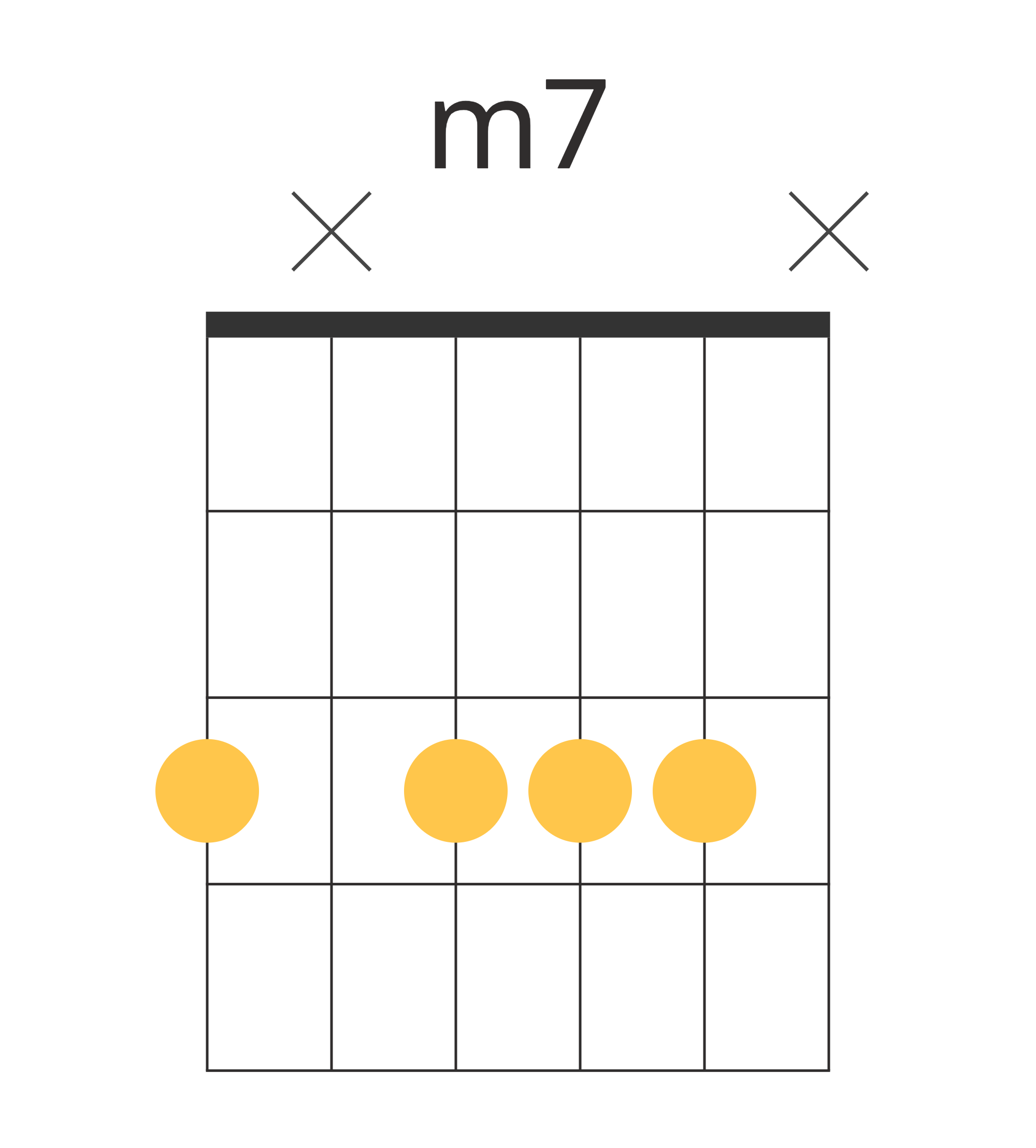
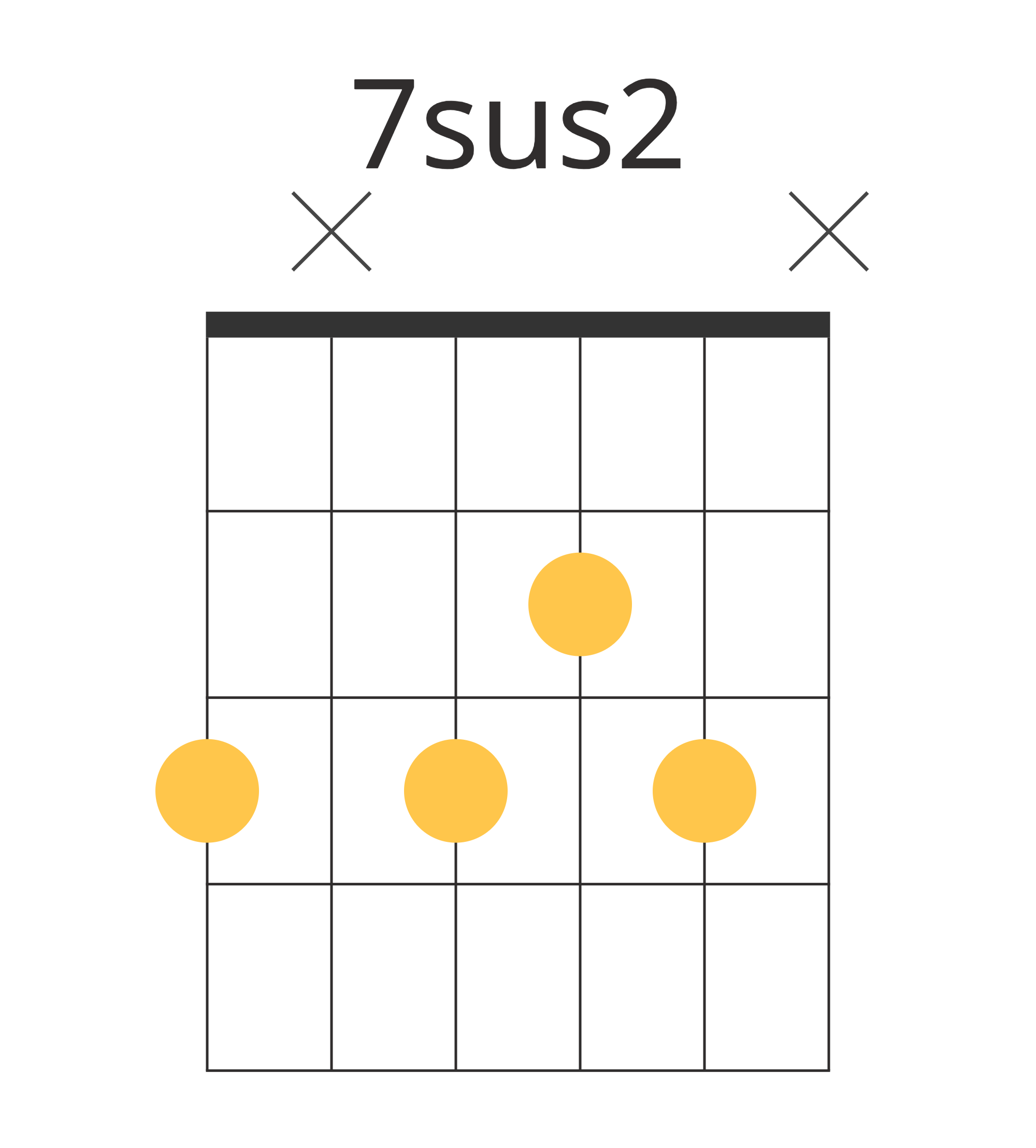
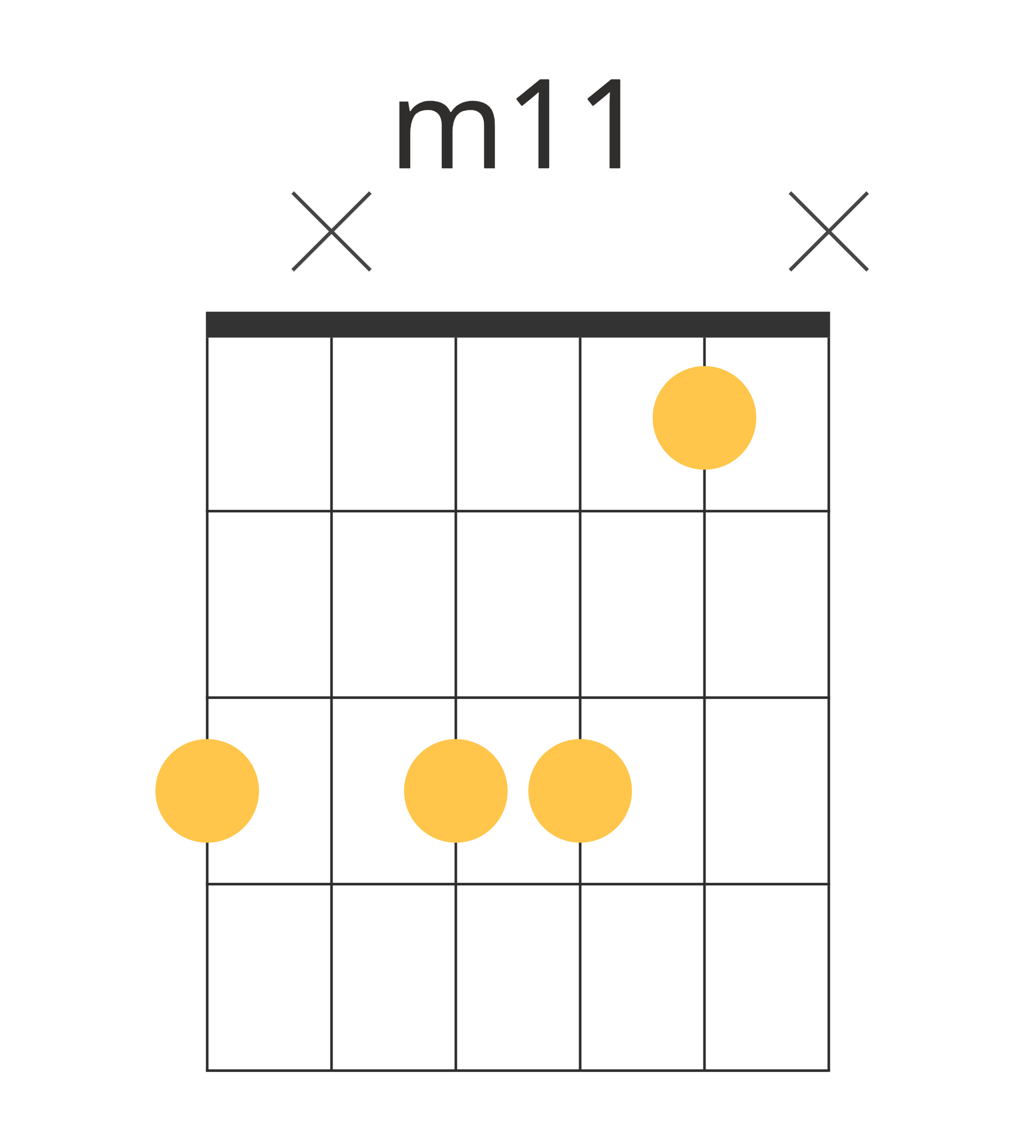
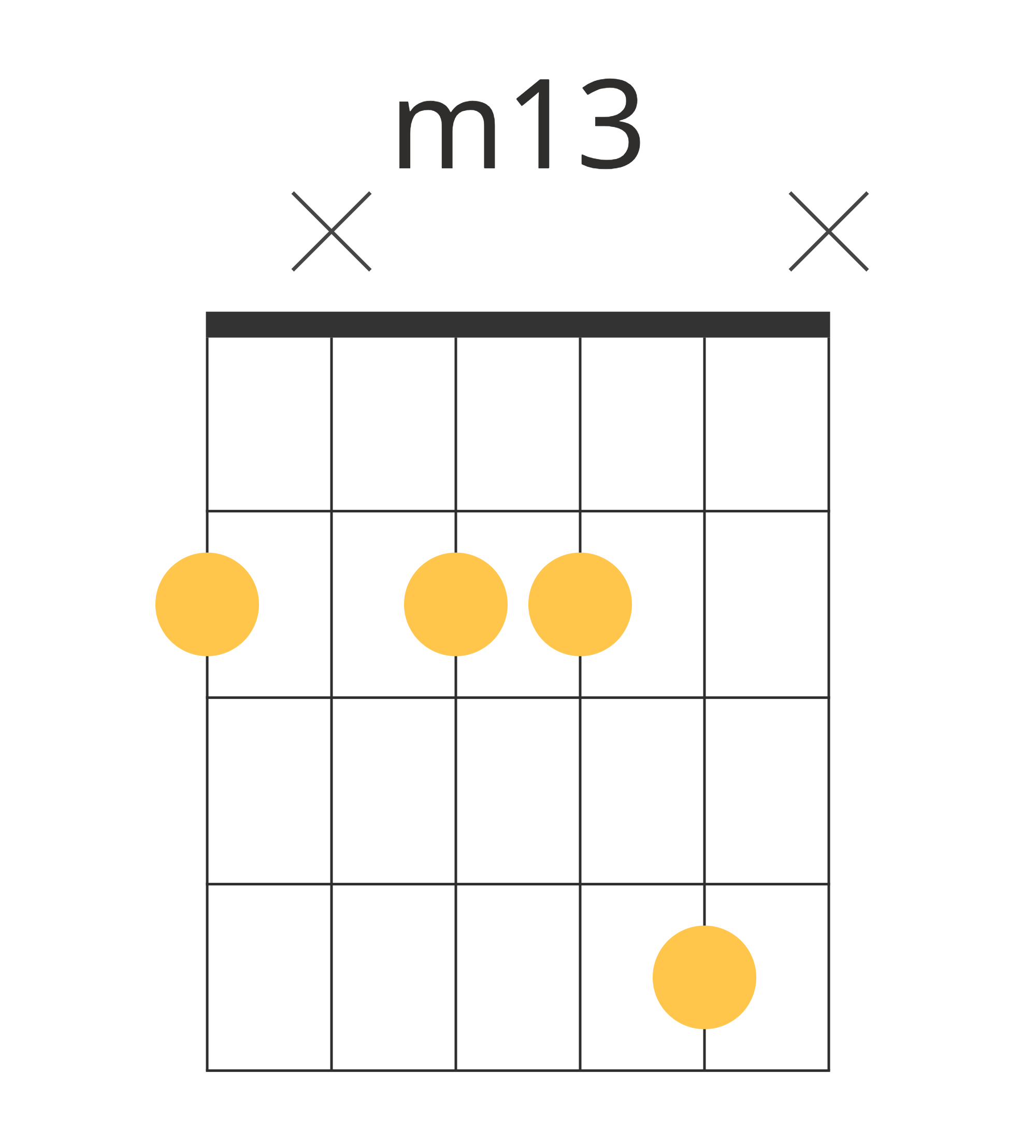
- Low E string is to the left
- Sometimes there are X marks for mutes, sometimes there are not, I don't know why. Either way, if it is not explicitly noted with an O mark behind the nut in the diagram, all strings without yellow dots are to be muted!
- Common chords are not included, this is for intermediate players.
- I rely heavily on using my thumb to play notes on the low E string. You should learn how to do this! why not use all 5 fingers if you can?
- There is no real order to these chords, they are grouped into sections based on how I group them in my mind.
- Haters are gonna say that chord voicings do not matter and it sounds the same wherever you play the chord. They are just haters though.
I - Derivatives of the min7 shape
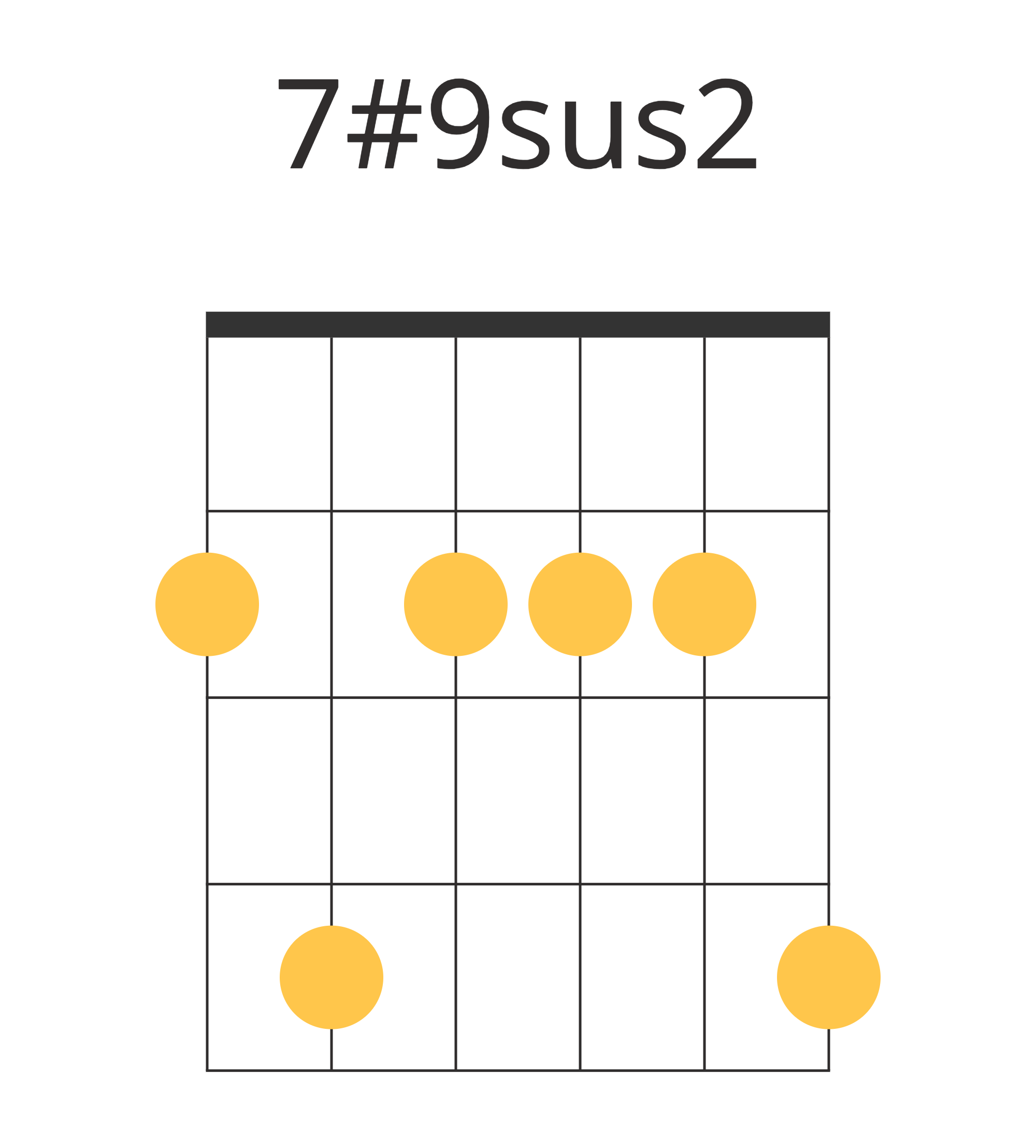
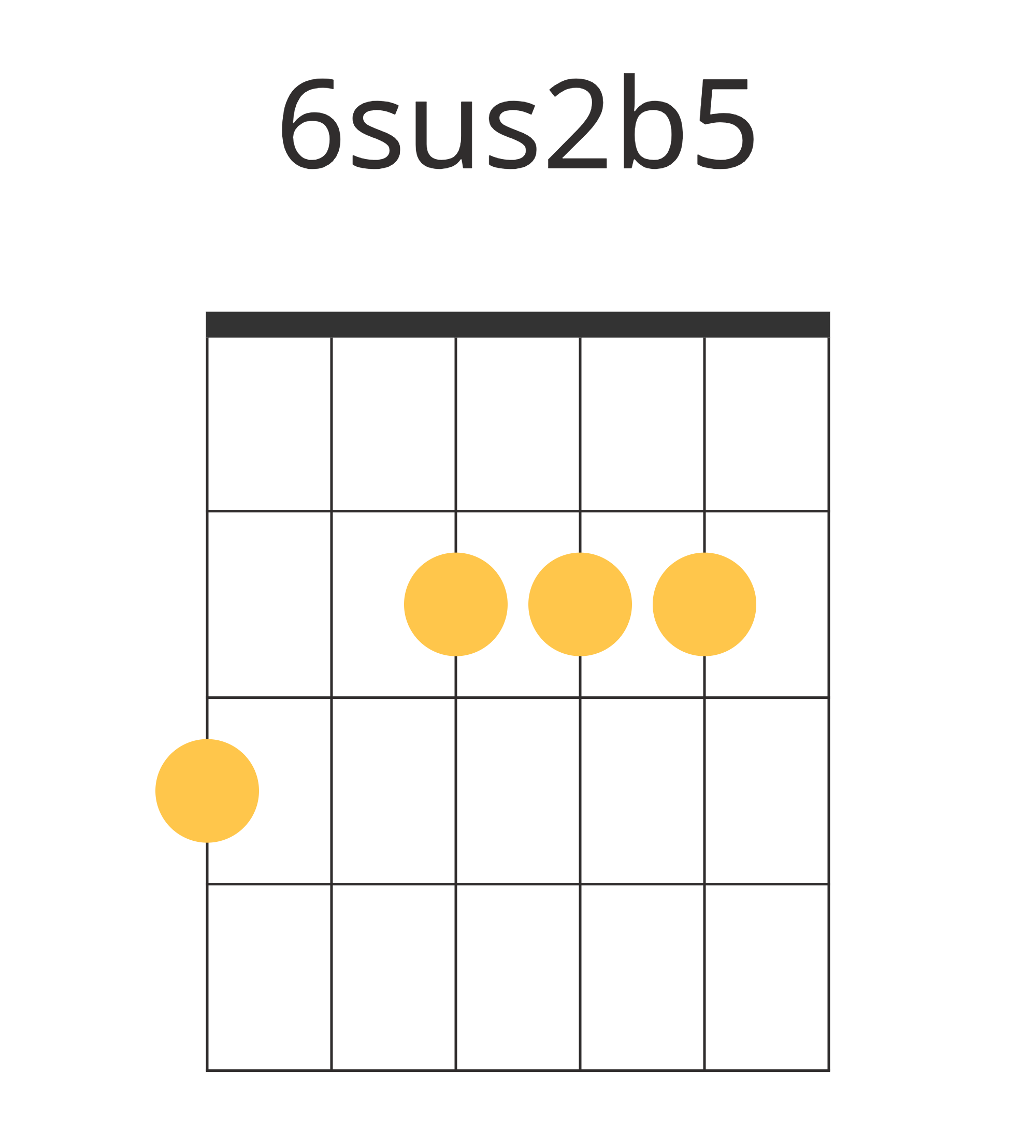
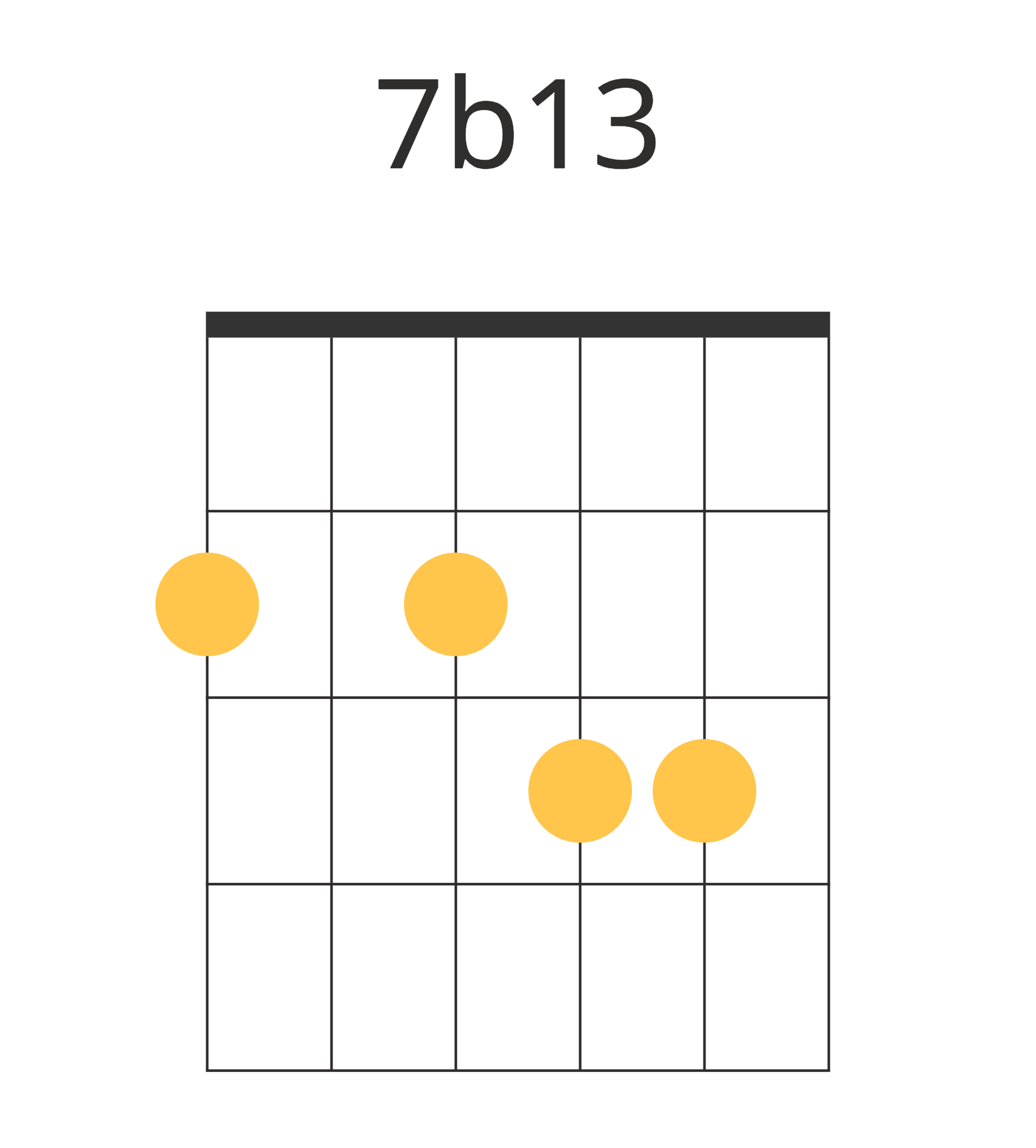
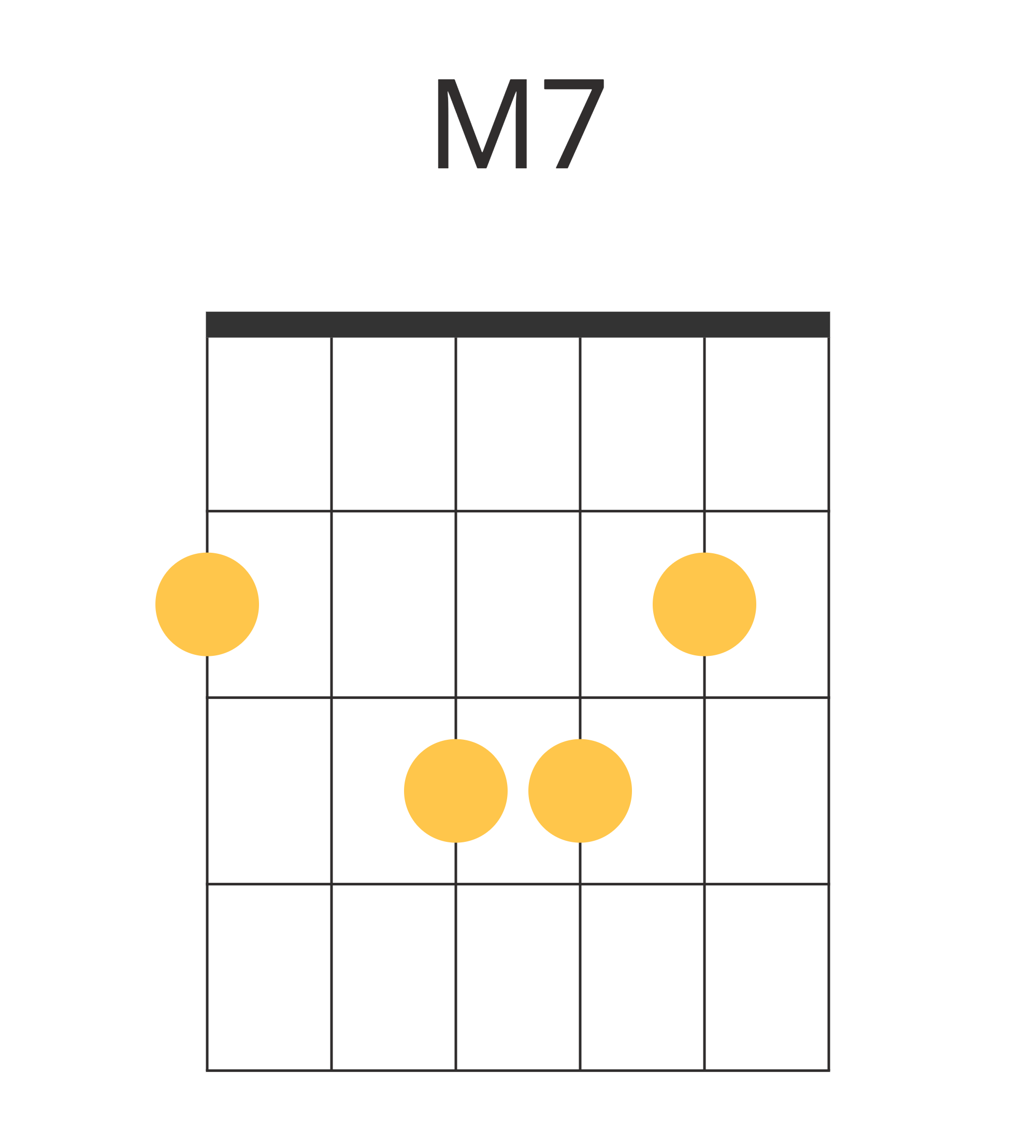
I have essentially discovered all of these chords for myself by playing around with the min7 shape pictured below as the first chord. I play the low E string with my thumb on the majority of these chords. Examples in which I do not use my thumb are: 7b13 and 9sus4 (sometimes I do, depends on the situation). These chords make up the bulk of what I play.
II - Chords on the A string
Yeah, I cannot really think of another way to classify these.
III - Triads
Not necessarily 1-3-5, but chords with just three notes
Notes:
- I will add more chords as they come up
- I will eventually add a search feature